

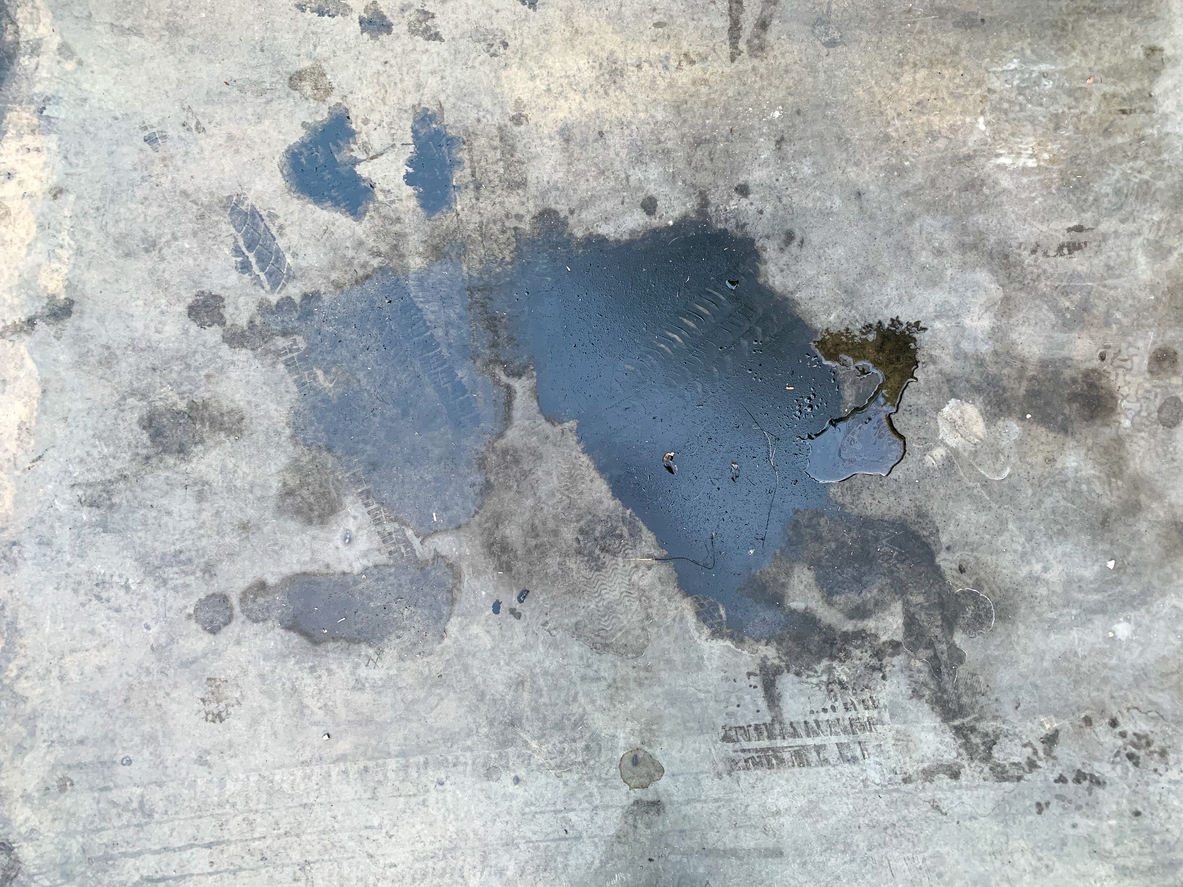
Concrete has a reputation for being tough, and for good reason. It handles heavy vehicles, stored equipment, dropped tools, and daily traffic without much complaint. Still, bare concrete is not indestructible. Over time, exposure to weight, moisture, and daily use slowly changes its surface.
Many homeowners do not notice those changes right away. A faint stain here or a small crack there might not seem urgent. But those early signs often tell a larger story about what is happening beneath the surface.
Why Bare Concrete Doesn’t Stay the Same Forever
Concrete may look solid and permanent, yet it is naturally porous. That means it absorbs moisture, oils, and dirt instead of resisting them. In a place like a garage, where vehicles, humidity, and temperature changes are common, that exposure adds up.
Over the years, small shifts occur that gradually weaken the surface. These shifts do not happen all at once. Instead, they show up in subtle ways that many property owners overlook until repairs become more involved.
Some of the most common forces affecting bare concrete include:
- Moisture exposure. Water seeps into tiny pores, especially during humid seasons or after heavy rain. This moisture can expand and contract within the slab, contributing to cracks.
- Vehicle weight and pressure. Tires repeatedly stress the same spots. Over time, this pressure leads to surface wear and compression marks.
- Chemical contact. Automotive fluids such as oil, coolant, and brake fluid soak into concrete, causing stains and weakening the surface structure.
- Temperature fluctuations. Heat and cooling cycles cause expansion and contraction that gradually lead to surface fatigue.
None of these factors may seem dramatic on their own. Together, they create a slow but steady process that affects both the look and performance of your floor.
Early Concrete Floor Wear Signs Many People Miss
The earliest concrete floor wear signs are usually cosmetic. They may not interfere with daily use at first, but they often indicate deeper surface changes that deserve attention.
If you take a closer look at your garage floor, you may notice:
- Fading or dulling areas. High-traffic zones often lose their smooth finish first, appearing rough or chalky.
- Light surface stains. Oil spots and tire marks that do not fully clean away suggest the surface has become more absorbent.
- Minor pitting or flaking. Small chips or tiny craters may appear where the surface begins to weaken.
- Hairline cracks. Thin lines may form as the slab responds to shifting pressure or moisture movement.
These early signs often appear gradually, making them easy to ignore. However, noticing them early allows for better planning before more visible damage develops.
How Small Cracks Can Turn into Bigger Problems
Cracks are among the clearest signs that concrete is changing over time. Even small cracks can allow moisture to enter deeper layers of the slab. Once inside, water expands during temperature changes, widening cracks.
At first, cracks may look harmless. Many people assume they are purely cosmetic. In reality, they often signal ongoing movement or stress beneath the surface.
Common crack-related warning signs include:
- Cracks that grow longer or wider. This often means stress is continuing to affect the slab.
- Multiple cracks forming in similar patterns. This can suggest repeated pressure in specific areas.
- Edges that begin to crumble. This indicates weakening material around the crack itself.
- Water pooling in low spots. Uneven surfaces may develop as cracks shift sections of concrete.
Left untreated, small cracks may lead to larger structural concerns that require more extensive repairs.
The Impact of Stains on Bare Concrete
Stains are sometimes treated as cosmetic concerns, but they often signal deeper issues. Because concrete is porous, liquids seep beneath the surface rather than remaining on the surface.
Oil, grease, and household chemicals are especially problematic. Over time, these substances can weaken the bond in concrete and leave lingering odors.
Some signs that staining is becoming a long-term concern include:
- Dark spots that return after cleaning. This suggests the stain has penetrated deep into the slab.
- Spreading discoloration. Liquids may travel through porous areas and create larger affected zones.
- Surface softness near stained areas. Chemical exposure can reduce the durability of the concrete.
- Lingering odors. Absorbed fluids can produce smells that are difficult to eliminate.
Addressing stains early helps prevent long-term damage and improves the overall appearance of your space.
When to Coat Garage Concrete for Long-Term Protection
Knowing when to coat garage concrete is often about timing. Waiting too long allows wear patterns and structural issues to become more noticeable. Acting early creates a protective barrier that reduces exposure to moisture, chemicals, and daily stress.
Many property owners consider protective coatings when they notice:
- Recurring stains that do not fully clean away. This indicates absorption has already increased.
- Visible cracks beginning to multiply. Early coating can help protect surrounding surfaces.
- Surface roughness or flaking. These signs suggest the top layer is breaking down.
- Increasing maintenance demands. Frequent cleaning or repairs often signal that protection would be beneficial.
Protective coatings work by sealing the surface, preventing liquids from soaking in and strengthening the overall durability of the floor.
How Protective Coatings Support Long-Term Performance
Once a floor begins to show wear, protection becomes more than a cosmetic upgrade. A properly applied coating helps reinforce the surface and reduce ongoing damage.
Modern epoxy coating systems offer several long-term advantages:
- Improved durability. A reinforced surface resists cracking, chipping, and abrasion.
- Simplified maintenance. Sealed floors are easier to clean and maintain over time.
- Moisture resistance. A protective barrier reduces water intrusion into the slab.
- Enhanced appearance. Floors maintain a clean, polished look even under heavy use.
These benefits make coatings a practical investment for both residential and commercial spaces.
Protect Your Concrete Before Small Issues Become Bigger Repairs
Bare concrete tells a story over time. Small cracks, stains, and worn areas are often early warnings rather than isolated problems. Addressing those changes early helps preserve both the appearance and performance of your garage floor.
Garage floors handle daily wear that few other surfaces experience. Taking proactive steps can extend their lifespan and reduce future repair costs. If you are noticing signs of concrete floor wear or wondering when to coat garage concrete, the team at GarageExperts of Jacksonville can evaluate your floor and recommend the right next steps.
Our epoxy and polyaspartic flooring systems are designed to strengthen concrete surfaces, enhance durability, and improve appearance. Made from commercial-grade formulas, they hold up where standard coatings tend to fail. They're low-maintenance, easy to clean, and they stay looking sharp long after installation. And because we stand behind our work, every job comes with a limited lifetime warranty.
Call (904) 441-6700 today or contact us online to get a free estimate and explore options for protecting your concrete floor for years to come.